
Guides
›
Cost Guide
·
Why Turf Smells
·
Heat & Cooling
·
Turf vs Sod
·
Pet vs Landscape Turf
·
Contractor Red Flags
The base under your failed turf may still be viable for another cycle. Or it may be why the first system failed. We find out before recommending anything.
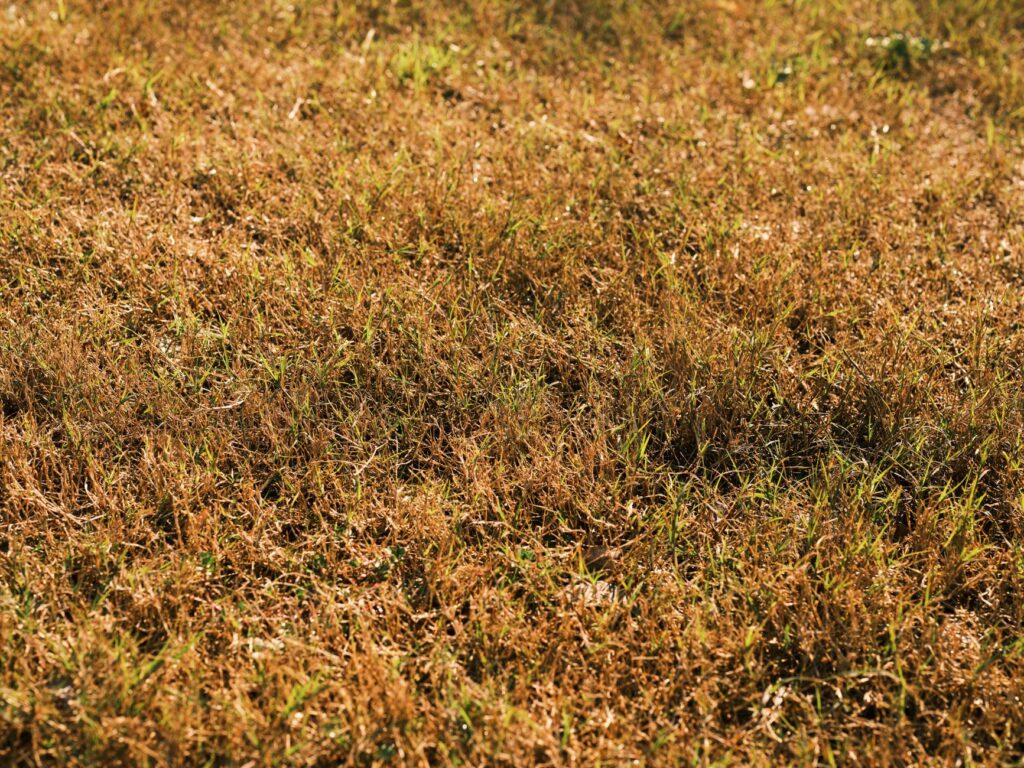
When a turf system reaches end of life, most homeowners think about the new turf.
The more important question is what is underneath it.
The base that supported your last installation may still be structurally sound and ready for another 15-year cycle. Or it may have the same deficiencies that limited the first system's life - and will do the same to a replacement unless corrected.
We see both situations regularly. The only way to know which you have is to look before committing to anything.
Before we quote replacement work, we assess existing base condition.
A well-built Class II base compacted properly 15 years ago may still be structurally sound. Drainage capacity, compaction level, and grade can all be evaluated with probing and water testing. Preserving a viable base saves $2 to $4 per square foot and reduces timeline by one to two days.
A degraded base - clay contamination, settlement, drainage failure - needs to be rebuilt. Laying new turf over a failed foundation is the most common replacement mistake. The new surface looks fine. The same failure pattern reappears within three to five years.
We will tell you which situation you have before any work begins. If the base is sound, we'll say so.
Old turf removal in LA has several components that affect project cost.
The turf is cut into sections, rolled, and staged for removal. Most infill from systems over 10 years old is not reusable - it has absorbed organic material and lost performance. Weed barrier condition is evaluated. If the base is being preserved, fabric is typically replaced.
Disposal is a real cost. Synthetic turf is not accepted at most LA County municipal facilities. Specialty hauling is required. This should appear clearly in any proposal. If it doesn't, ask where the material is going before signing.
Repair makes sense when the base is sound, the problem is localized, remaining fiber has meaningful life, and repair cost stays well below replacement cost.
Replacement makes sense when fiber is UV-degraded or matted across most of the field, multiple system failures exist simultaneously - seams, rippling, and drainage problems together signal base failure - or repair costs approach replacement costs on a system near end of life.
A repair that costs 40% of replacement price on a system with two years of fiber life remaining is rarely the right economic decision. We'll tell you honestly which side of that line your project falls on.
Replacement is the lowest-cost point to address deficiencies. Every improvement that requires base access costs less incremental dollars during replacement than as a standalone project afterward.
Drainage upgrades, cooling infill, better backing specification for pet areas, scope expansion into adjacent yards, putting green integration - all coordinate more efficiently during replacement than as separate projects later.
LADWP currently offers rebates for removing synthetic turf and replacing it with drought-tolerant landscaping - not for installing new synthetic turf.
If you are replacing one turf system with another, there is no LADWP rebate for the new installation. Competitors misrepresent this regularly. Do not make project decisions based on a rebate that does not exist for your project type.
Describe your project and we'll respond within one business day. No obligation.
Not sure what you need? Describe the problem and we'll tell you whether repair, replacement, or a new install makes the most financial sense.
We respond within one business day - real numbers, no sales call.